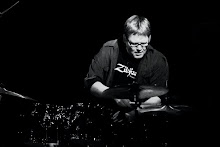
Prairie Prince was raised in Phoenix, Arizona, with two older sisters, who gave him a constant source of musical influences, including swing, jazz, blues, and early rock and roll. Both parents were music lovers and his father played drums. His mother was an artist and encouraged pursuing music and art during Prairie’s entire childhood, which he did and still does. During High School, Prairie started a band with his friend Roger Steen. The band was named “The Mouth”, later becoming “The Red, White and Blues Band”, which in turn, evolved into “The Tubes”.
Prairie moved to San Francisco after acceptance to the San Francisco Art Institute on scholarship. There he received a Bachelor of Arts Degree in painting and conceived The Art Rock Group The Tubes with his friend and colleague, Michael Cotton. Prairie continues to share a partnership with Michael in a number of branches of art, including set and stage design for some of the world’s biggest touring acts: Michael Jackson, Shania Twain, Bonnie Raitt, Gloria Estefan, The Tubes, and Todd Rundgren.
Some of Prairie’s earliest drummer influences were Gene Krupa and Buddy Rich in swing jazz, Stevie Wonder and Clyde Stubblefield in funk and soul, Sandy Nelson and Dick Dale in Surf Music, and Ringo Starr, Charlie Watts, Mitch Mitchell, Keith Moon, Ginger Baker, and John Bonham in The British Invasion of Rock. Later John French, Billy Cobham, Lenny White, and Jack Dejohnette were inspirational in fusion and more avante gard styles of drumming.
During the course of the last 30 years, while continuing to record, perform and tour the world with The Tubes (15 Albums and world tours), Prairie also performed and recorded with many of his heroes and fellow artists alike. Prairie has fulfilled his desire to execute many various drum techniques in a wide variety of musical styles.
In the early 70’s Prairie worked with the legendary pianist, the late Nicky Hopkins, recording two albums with musicians such as George Harrison, Mick Taylor, Ron Wood, Ray Cooper, and Klas Voorman, among others. He started the band Journey with Neal Schon and Greg Rolly shortly after, recorded demos that got them their first contract, but Prairie opted for his dedication to The Tubes.
After session work with Tommy Bolin, Brewer and Shipley and others in the 70s, the 80s brought work with Chris Isaak and Prairie played drums on his first four albums. Prairie was honored to record with Brian Eno and David Byrne. With Todd Rundgren, he recorded 7 albums and toured the world several times.
He played drums on XTCs Skylarking LP in the mid 80s, then again on their latest 2 CDs Apple-Venus Vol 1; Waspstar Vol 2 in the Last Part of This Century. Also in the 80s, Prairie recorded with Glen Frey, David Pack, 3 albums for Richard Marx, and did a Showtime special with John Fogerty.
The 90s brought performances with Tom Waits, 3 CDs and classic resurface performances with the legendary “King of the Surf Guitar”, Dick Dale, and the reformed “Jefferson Starship”, with original members, Paul Kantner, Marty Balin, Jack Casady, and Papa John Creach. After 4 CDs and several world tours, Prairie continues as their drummer.
In the last several years, studio work with renowned producer Jerry Harrison of Talking Heads fame, brought records by Bizou Phillips and Noella Hutton, both young innovative female artists. Also performances and a double/live CD with Grateful Dead Bassist, Phil Lesh, and a CD with longtime friend and former Tubes and Grateful Dead member, Vince Welnick (Missing Man Formation), brought acclaim from a unique base of music fans.
The man's been busy, that's for sure. He was kind enough to answer my questions specifically about his involvement with XTC.
1. Do you know how you came to the attention of XTC? Did someone
recommend you?
Todd Rundgren brought me in as the Tubes had recently worked with him and
he had helped built the studio for us that XTC recorded the rest of the
album in.
2. Did the two songwriters, (Moulding and Partridge) have different
working methods in the studio? Did they have specific suggestions for
drum parts, or did they talk in metaphor and you jammed until you
found something that clicked?
each had their own ideas of course. Both very different in direction and
approach. Andy was very specific for most songs and had done demos with
basically what he wanted recreated. Colin was more general in his advice as
to the feel etc. Both were easily satisfied with the tracks I delivered..
on songs like man who sailed, It was suggested I played like a jazz drummer
on junk.. Not sure if I knew but made a guess and was handsomely rewarded
with applause.
3. Andy Partridge has mentioned in interviews that he and producer
Todd Rundgren butted heads a lot during the recording of
"Skylarking". Did you notice this and did it affect the way you
approached the recording?
I wasn't really aware of the stress in the relationship at first but as
the sessions wore on over the next few weeks it became apparent they had
their differences in opinions and attitudes began to heat up. I think things
got worse after I had finished my parts. Todd was hired to produce and
that's what he does in most cases.. Produces and makes the final
decisions..Andy just didn't want to give him that much authority with his
music. As far as affecting me .. I had worked with Todd before and new what
to expect.. The guys in XTC treated me with very much respect and seemed
glad to have me drumming on their songs.. I was in heaven being a big fan.
4. You have the distinct honour of being the most recorded drummer of
XTC's "studio" years. What do you attribute this quantity and
longevity to?
just a lucky guy
5. On albums like "Skylarking" and "Wasp Star" you're playing with
more conventional Rock band instrumentation whereas on "Apple Venus"
the textures are much more symphonic and light. Did making this
adjustment pose any particular challenges for you?
for example on "I like that" Andy wanted me to play the groove on my legs
slapping away the beats throughout. Being a hambone enthusiast , I had no
trouble handling the order. The more ethereal percussion parts such as
cymbal washes and snare rudiments were fairly common to me from sound track
work in the past
6. You've recorded as both as session player artists such as XTC and
as a longtime member of the tubes. Does the recording process differ
depending on how well you know the people you're working with?
It always helps to know well the other musicians your collaborating with
but not entirely essential. The Tubes have been friends and family so long
we can practically read each others minds. XTC and I became good friends
quickly and we worked well together from the get go. All the best to them
today, Prairie Prince
And here's some examples of some of the songs he mentioned. Here's "The Man Who Sailed Around His Soul" from the first recording Mr. Prince played with XTC "Skylarking". (Also dig the references to The Prisoner in the video. Hip!)
And here's "I'd Like That" from "Apple Venus"
Finally, here's some great playing from the last official XTC album "Wasp Star". The track is "Stupidly Happy".
Thanks so much Prairie and stay tuned for future installments!